
“Before and After It Had a Name” Illness Journeys and Care Navigation Among People Living with Bipolar Affective Disorder in Northern Kerala, India
This mixed-methods study investigates illness journeys and care navigation among people living with Bipolar Affective Disorder in Malappuram and Kozhikode districts of northern Kerala, India. Quantitative data was collected through structured surveys with 100 clinically confirmed cases of bipolar disorder. Qualitative insights were gathered through in-depth interviews with a purposive subset of individuals who could provide rich, experience-based data, along with interviews with caregivers and mental health providers. Findings inform culturally grounded, patient-centred approaches to mental health service delivery.
Photos and reflections on the thesis project
Students submitted photos and reflections as part of their thesis research. All the people in the photos gave permission for their photos to be taken and shared.
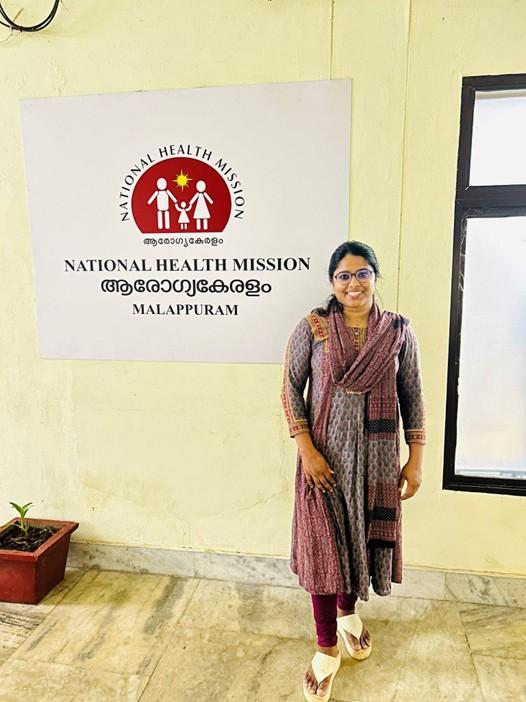
National Health Mission, Malappuram- Taken on 2nd July 2025, while visiting the District Medical Officer’s office
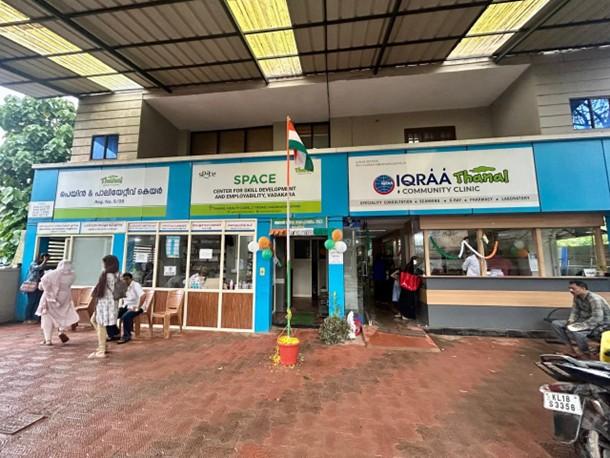
Hello from Kerala!
I’ve been spending the past weeks moving between very different mental health care settings here in Malappuram and Kozhikode districts.
The first photo is from the District Mental Health Programme office under the National Health Mission. I had gone there to meet the District Medical Officer and get permission to observe their clinics. It is one of the biggest public programmes for mental health, the doctor told me the patient load is overwhelming.
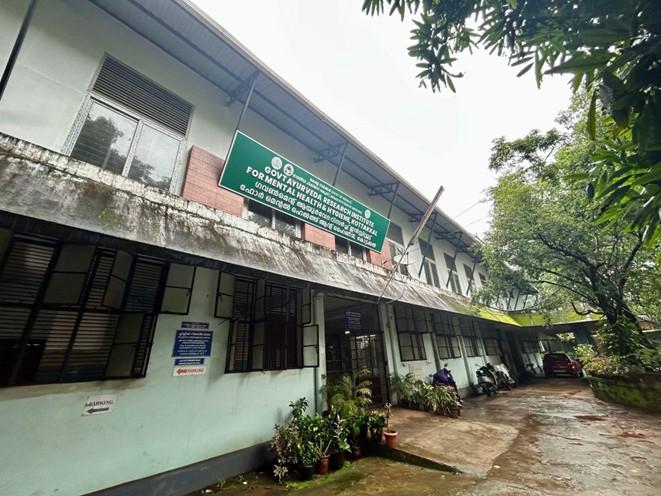
The second photo is from the Government Ayurveda Research Institute for Mental Health (GARIM) in Kottakkal. This is such a unique place: it is the only Ayurvedic mental health hospital in the public sector in India. People with chronic conditions, including bipolar disorder, sometimes stay there for weeks, receiving traditional treatments. It reminded me how deeply Ayurveda is woven into the way families here think about healing.
The third photo is from one of the community psychiatry clinics. Honestly, I knew Kerala had some, but I did not realise how many until I started this work. Organisations like Thanal Community Psychiatry Program, IQRAA Community Psychiatry Program, MHAT (Mental Health Action Trust), and MIP (Malappuram Initiative in Palliative Care) together run dozens of these clinics. Some happen in small, makeshift spaces like basements or palliative care centres, while others are in big modern buildings. The settings are uneven, but families keep coming because, as one person told me, “Whatever helps, let it help.”
That really stayed with me. Everyone I talk to has tried multiple kinds of care: government hospitals, private psychiatry, Ayurveda, and even faith healing. Seeing it on the ground, I feel how complex and human this search for care really is.
Postcard from the Field
Community Psychiatry Clinics in Malappuram and Kozhikode
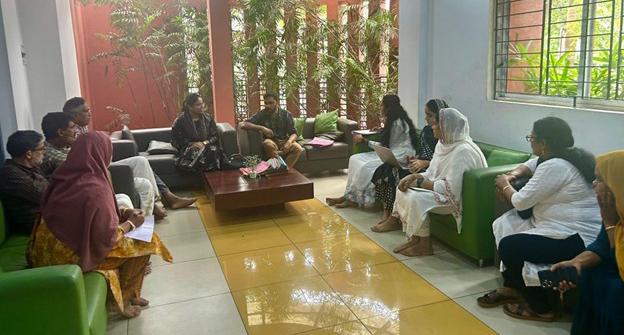
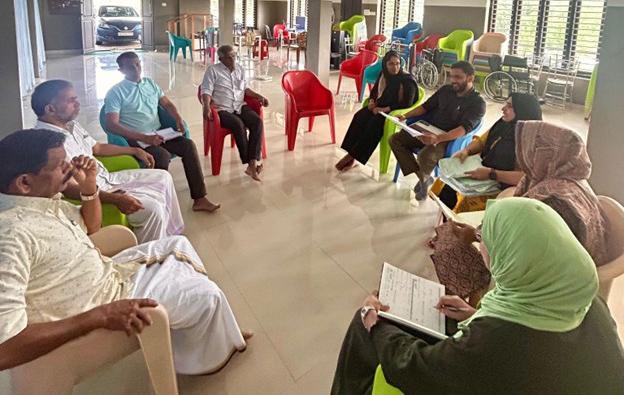
These two photos are from community psychiatry clinics I attended in Malappuram and Kozhikode districts, which are also my study sites. The clinics are run by Thanal Daya Rehabilitation Trust, an organisation working across multiple areas, including dialysis, palliative care, destitute homes, special schools, and early intervention. Community psychiatry is one part of this wider work. Some clinics run from Thanal's own premises, while many others operate in collaboration with local palliative care units and voluntary organisations across Kerala, India. I visited them on different days. The buildings, facilities, infrastructure, and styles of community outreach differed, but the design of care was the same.
After each outpatient clinic, the team came together: psychiatrists, psychologists, psychiatric social workers, other staff, and community volunteers. They reviewed every patient seen that day, including updates on symptoms, changes in medication, follow-up phone calls, and social concerns that needed attention. Tasks were shared across the team so care extended beyond prescriptions, into social and community support.
It was striking to see how, despite differences in setting, the structure and spirit of these meetings were consistent: a truly multidisciplinary model, looking at patients through a biosocial lens, and ensuring that care was holistic and community-rooted.
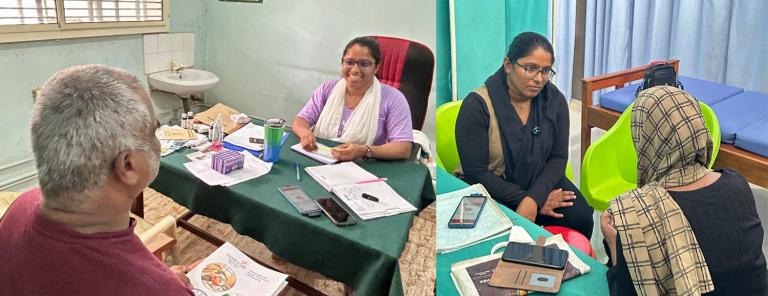
These photos are from interviews and surveys I have been conducting across community psychiatry, palliative care, and the Ayurvedic mental health institute, as well as online interviews with participants across districts who prefer remote participation.
One thing I am learning is how unpredictable and organic real fieldwork is. Every day looks different. Interviews get rescheduled, conversations happen in unexpected places, and the rhythm of survey collection shifts from week to week. Listening to people living with bipolar disorder, their caregivers, and providers has helped me see how much invisible work goes into navigating the mental health system. Re-listening to my interviews also makes me feel more connected to the human side of the data. It feels a bit like stitching together many small stories into one big picture.