
The Invisible Cost of Care: Facilitators and Barriers in Outpatient Malnutrition Treatment in Neno, Malawi.
Malnutrition is responsible for nearly half of the deaths in children under five. In Malawi, approximately 38% of children have chronic malnutrition. Severe Acute Malnutrition (SAM) is often treated in the outpatient setting (OTP) with Ready-to-Use Therapeutic Foods. However, caregivers of children with malnutrition face numerous barriers at the individual, structural, and systems-level in reaching clinic weekly, resulting in loss to follow-up, treatment non-response, and relapse. The aim of this study is to quantify the frequency of program outcomes and explain their determinants through a convergent mixed-methods study design that centers caregivers’ perspectives.
We enrolled 326 patients in a prospective clinical cohort at eight healthcare facilities selected through stratified random sampling and collected their attendance and chart data from May to December 2025. We purposefully selected 32 caregivers for in-depth interviews. All fourteen Health Surveillance Agents (HSAs) in charge of nutrition participated in two focus groups. We used descriptive and bivariate analysis for quantitative data and an inductive content analysis approach for qualitative data, integrating through a joint display.
Photos and reflections on the thesis project
Students submitted photos and reflections as part of their thesis research. All the people in the photos gave permission for their photos to be taken and shared.
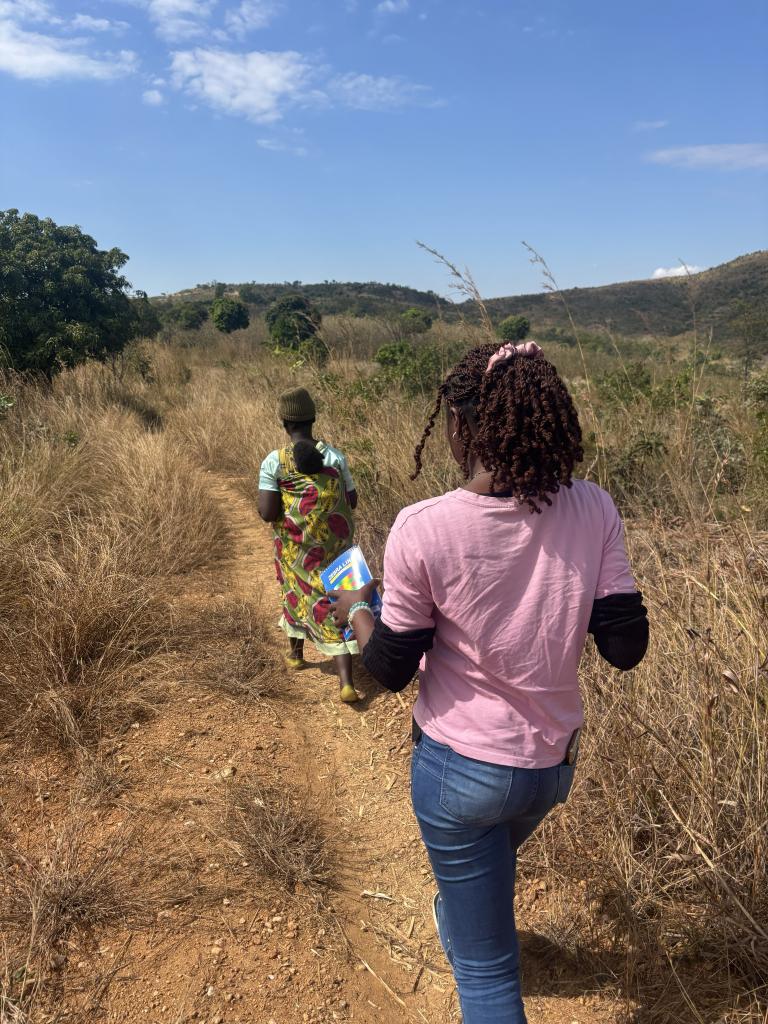
My research assistant and I accompanying a study participant to a home visit for a follow-up ethnography interview. A single mother of five, this participant gave birth to her eldest son in her early teens. He has severe Cerebral Palsy and epilepsy, meaning he is nonverbal, immobile, has difficulty feeding, and suffers from chronic malnutrition. They have been enrolled in the program many times, on and off for ten years. Every week, the mother walks four hours one way with her son on her back to reach the OTP clinic for her son to receive food. She shared that he would not survive without it. Just accompanying her a portion of the walk was exhausting for us in the dust and heat, we could not imagine doing it weekly or in rainy season with mud rendering the footpaths slippery and difficult to traverse.
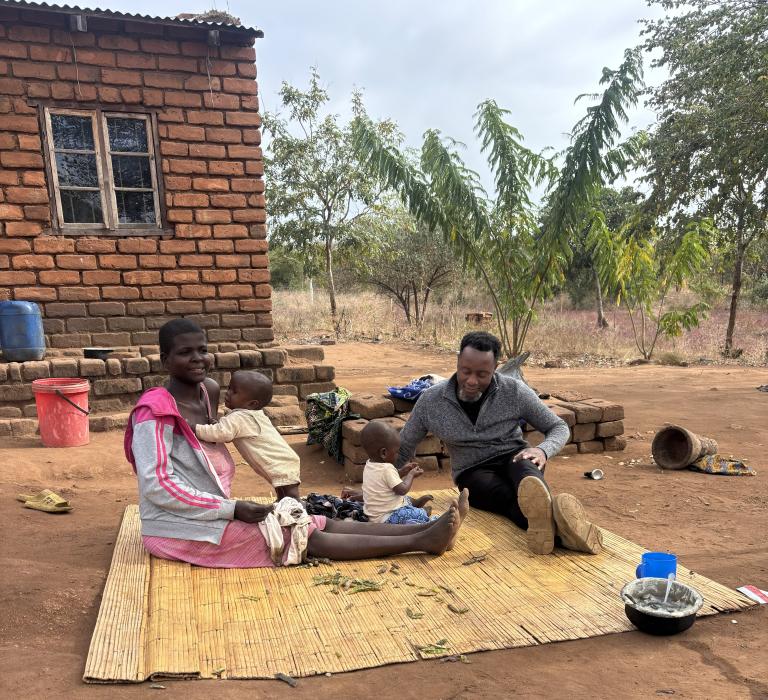
A post-interview conversation between a study participant and site PI/thesis committee member, Isaac Mphande. While talking to the mother of these twins, Isaac helped her with shelling nandolo, pigeon peas, and keeping one of the two from crawling away. Many of our home interviews looked like this, sitting on tarps or wooden mats and finding shade whenever possible. However, this was one of my personal favorite interviews because the mother had reached upper primary school and spoke a little English, so I was able to speak to her directly with a combination of her English and my jumbling Chichewa. I always tried to introduce myself in Chichewa to increase familiarity and trust and demonstrate respect of their culture.
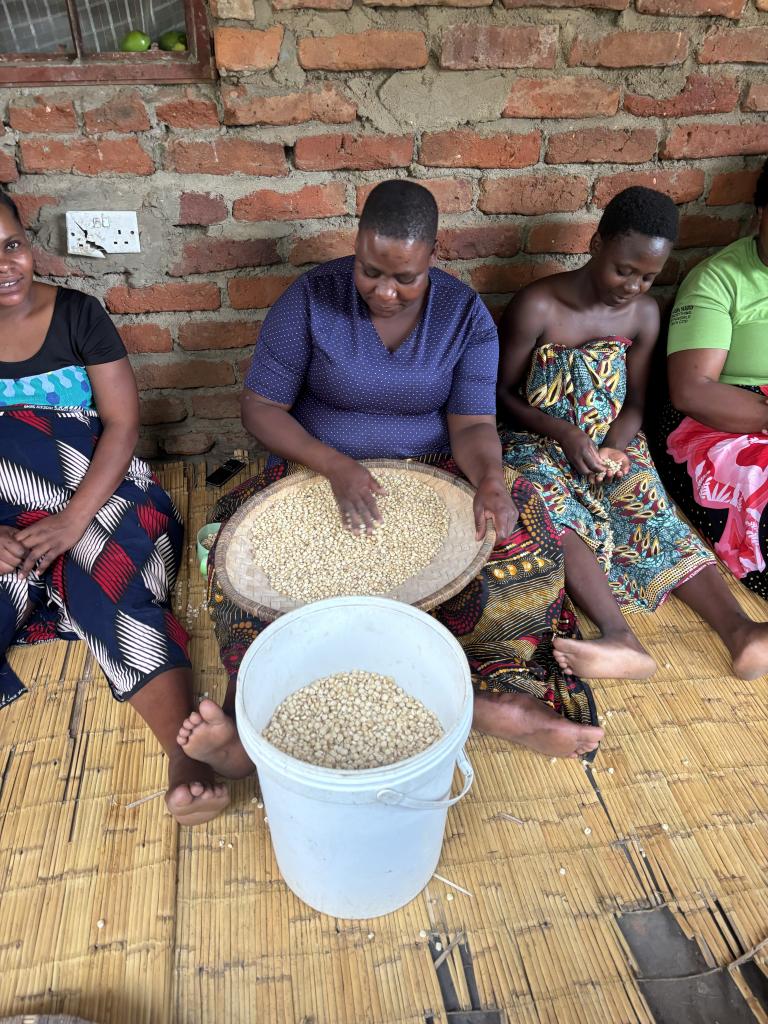
The communal exercise of sorting maize seeds between those to be used for planting and those to be ground into flour with friends. The task is labor-intensive, time-consuming, and seemingly never-ending but the hours pass quickly with family and friends. Maize is Malawi's staple grain — 97% of farming households grow maize and it accounts for 60% of their caloric intake.
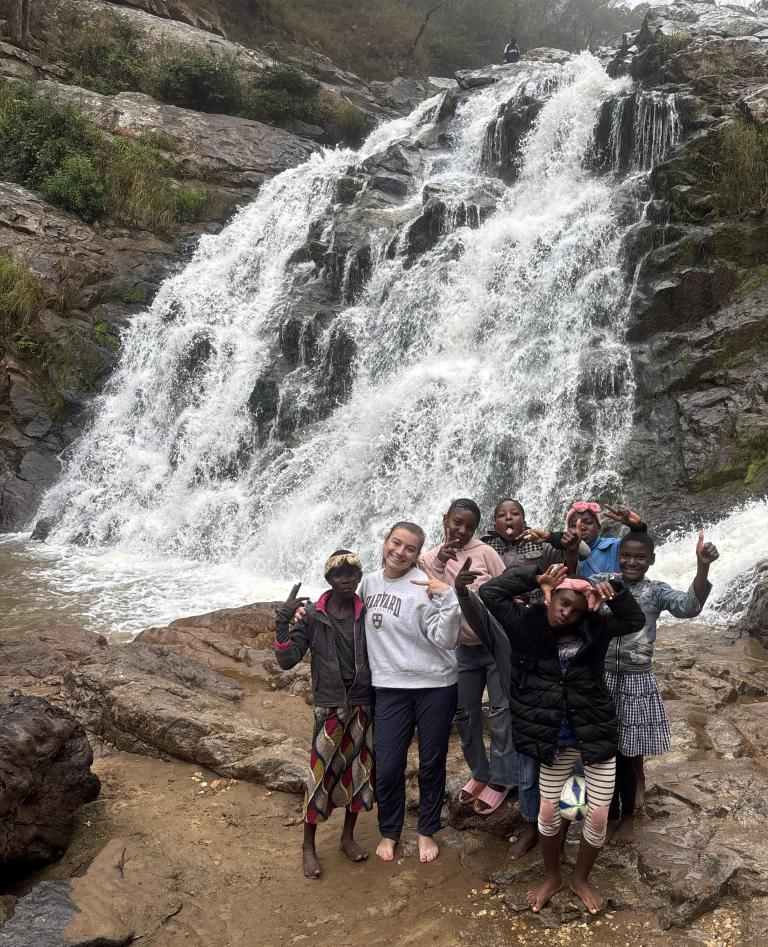
A visit to Matandani Falls with some of the girls I tutor in English lessons in my free time. This waterfall is near one of the health clinics where I gathered data and is one of the main attractions in Neno. I loved teaching these girls and in return for English, they would help me with my Chichewa. Many of their parents were my neighbors in Neno and doing these lessons helped me get to know the community so much better, which in turn definitely contributed positively to my research.
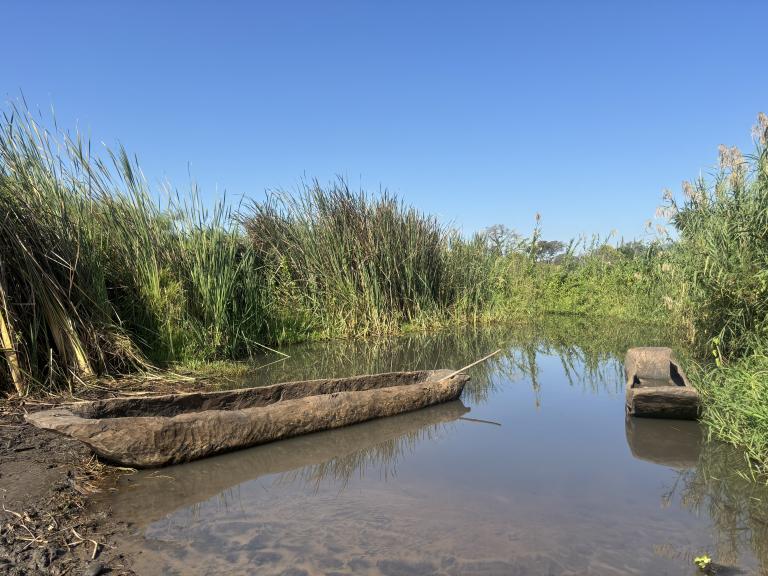
A visit to the Shire river, a short walk from the Matope health center — one of our data collection sites. The Shire is one of the main watersheds in Malawi and separates Neno from the neighboring district. Many patients cross the river for care, they must pay someone to paddle them across in one of the pictured boats. Not only is the river deep and wide, but it is home to many Nile crocodiles.
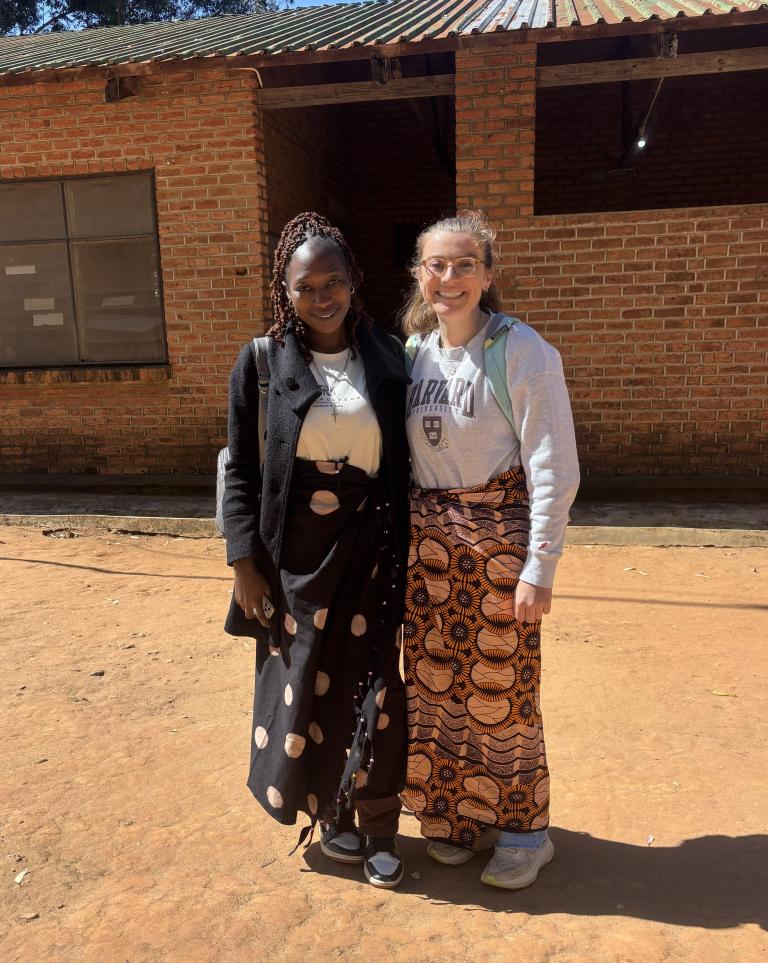
Myself and my amazing Research Assistant/Interpreter, Chikondi Juwack at Nsambe Health Clinic. Chikondi was the best RA I could have asked for and became an incredible friend too. Her work ethic, willingness to learn, attention to detail, and empathy for caregivers improved our interviews so much.
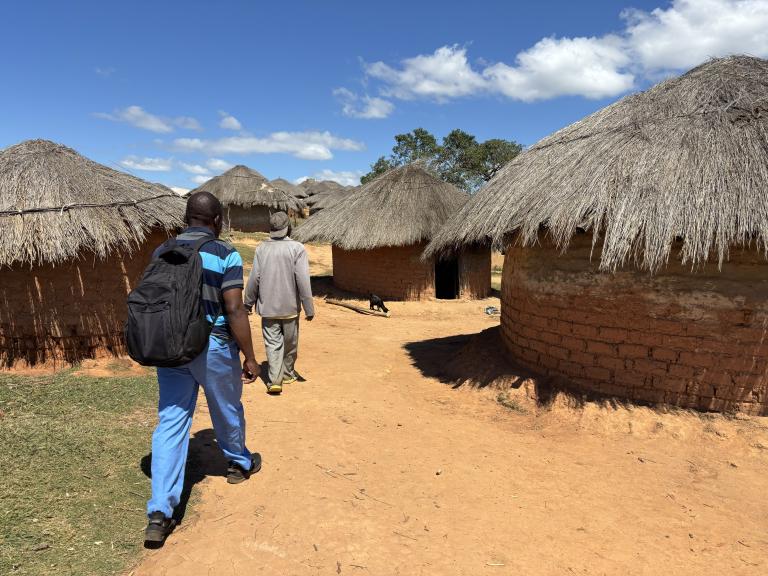
Heading to a home visit with Health Surveillance Agent George Mphaolo, who acted as a quantitative data collector and great collaborator. Like most of Neno, there are no formal addresses in Nsambe village, so George relies on a man nearby to help locate the family we are looking for. This family was selected for an interview because they were lost to follow-up and after our interview, they were re-enrolled in care.
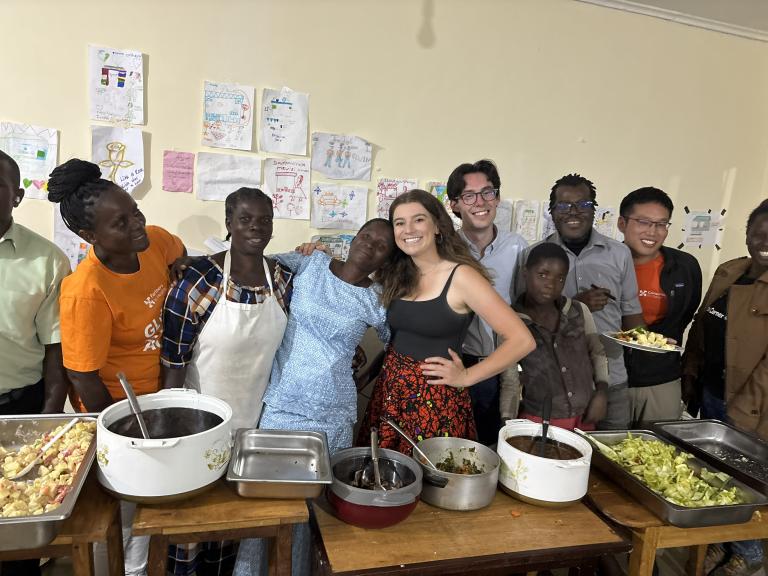
Dinner serving line at a braii (barbeque) that I helped organize and cook for where I am staying at the APZU Guest/Staff House. Pictured with the incredible, hard-working ladies that clean the staff houses and spaces — Judy, Hellena, and Gertrude — another fellow MPH student from America, a visiting doctor, one of my students, and a few others. This study would not have been possible without the immense support of the entire APZU team.
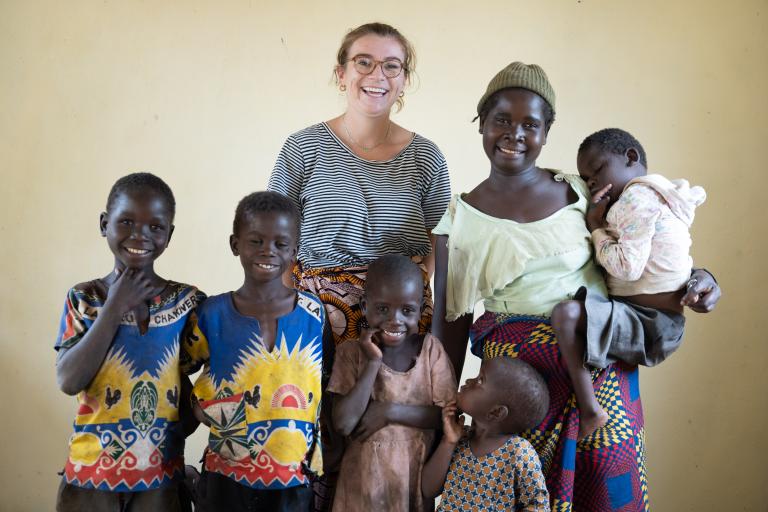
After visiting this mother's home, our whole team (myself, Chikondi, and Charles Marshall, the nutrition program officer at APZU and truly the most incredible collaborator and best embodiment of accompaniment there ever was), could not stop thinking about the conditions we witnessed. The entire family of six lived in a shelter that could not have been more than 50 square feet. It was partially constructed of the "local brick" (compacted mud) that most houses use, but crumbling, and partially dried grasses. Holes in the walls were visible, allowing rain to infiltrate and there was no mattress. The and Feliya wore the same clothes every day; the only belongings in the house were half a bag of pigeon peas. No maize or any other food. Additionally, it was clear that several of the other children were suffering from malnutrition. As much as possible, we always tried to link participants with additional care and social support and decided to contact the APZU POSER team (Program on Social and Economic Rights). The POSER program was born of the very simple and correct belief that patients cannot be cured without access to food and adequate shelter. Through the POSER program and a supportive donor, we were able to connect the family with the rights they deserved — several months supply of food, funding, training, and support for small business, and construction of a house. I am so humbled that we were able to do this and feel so lucky to have done my study at a site with the same values of social justice, accompaniment, and equipoise. Both pictures are from the house key handover.