Cancer Mortality and Preventive Healthcare: Strengthening Early Detection and Health Systems in Uzbekistan and Central Asia
Cancer deaths in low- and middle-income countries are projected to nearly double by 2040, yet implementation of evidence-based screening programs — the single most effective tool for reducing cancer mortality — remains critically inadequate across much of Central Asia. Uzbekistan recorded 35,900 new cancer cases and 22,071 cancer deaths in 2022, with a mortality- to-incidence ratio of approximately 67%, comparable to sub-Saharan African regions and attributable primarily to the absence of organized population-based screening. This study aimed to identify and characterize multilevel barriers to early detection of breast, cervical, and colorectal cancers in Uzbekistan across the patient, provider, health system, and governance levels.
We conducted a convergent parallel mixed-methods study at two oncology facilities in Tashkent and Bukhara between June and October 2025. The quantitative strand enrolled 124 participants across six groups: 60 medical records (retrospective chart review), 30 cancer patients (cross-sectional survey), 20 healthcare providers, 7 oncologists, 6 policy makers, and 1 National Cancer Control Program (NCCP) Coordinator. The qualitative strand enrolled 50 participants: 16 patient in-depth interviews, 17 oncologist in-depth interviews (including 1 NCCP Director), and 17 specialists in focus group discussions. Both strands were collected simultaneously and integrated through joint display analysis.
Photos and reflections on the thesis project
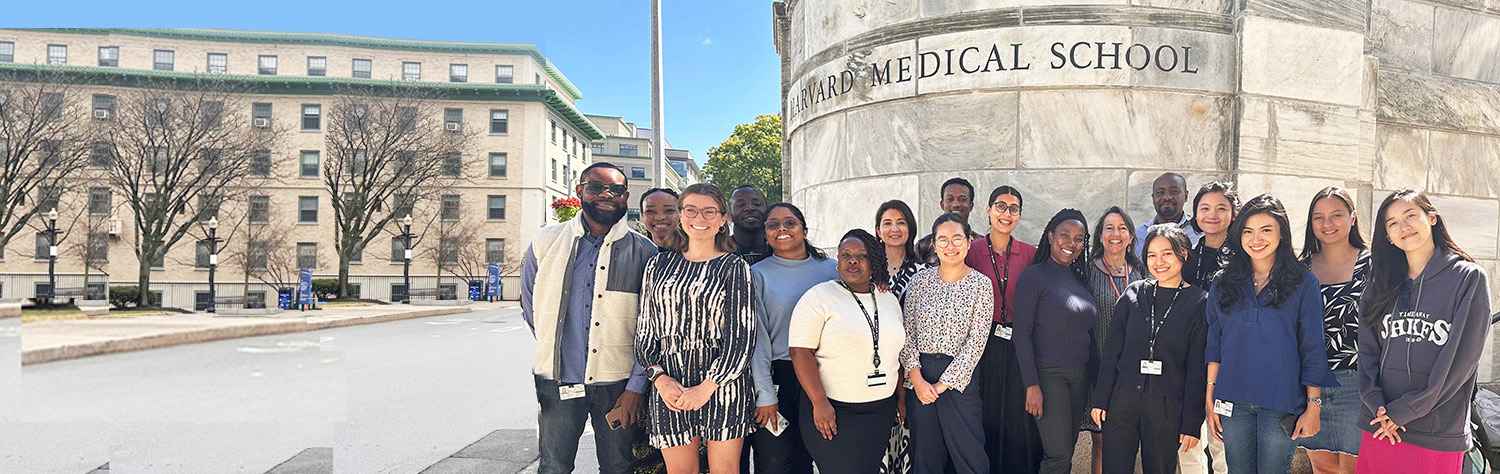
Students submitted photos and reflections as part of their thesis research. All the people in the photos gave permission for their photos to be taken and shared.
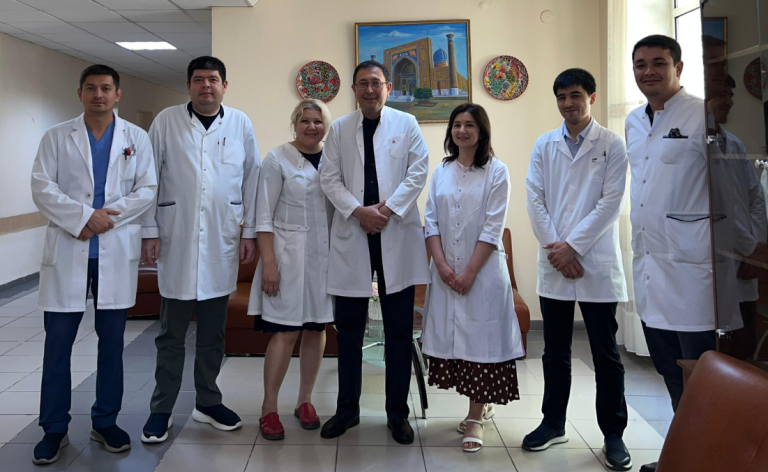
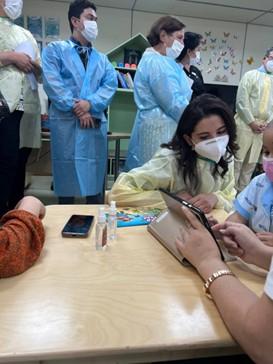
This photo was taken during my first week conducting surveys and interviews at the Republican Cancer Center in the Tashkent region of Uzbekistan. I am pictured here with specialists from the Colon Cancer Department. Those first few days were an introduction period—meeting new colleagues, learning about the facilities, and familiarizing myself with the three departments where I would be working: Gynecology, Breast Cancer, and Colon Cancer. Thanks to the warm welcome from the Colorectal Cancer Department team, I felt immediately supported. They kindly shared their workspace, allowing me to sit in the doctors’ room to write my notes, and we even had lunch together. I chose this photo because it represents the very beginning of my field experience and the meaningful connections I started building during that time.
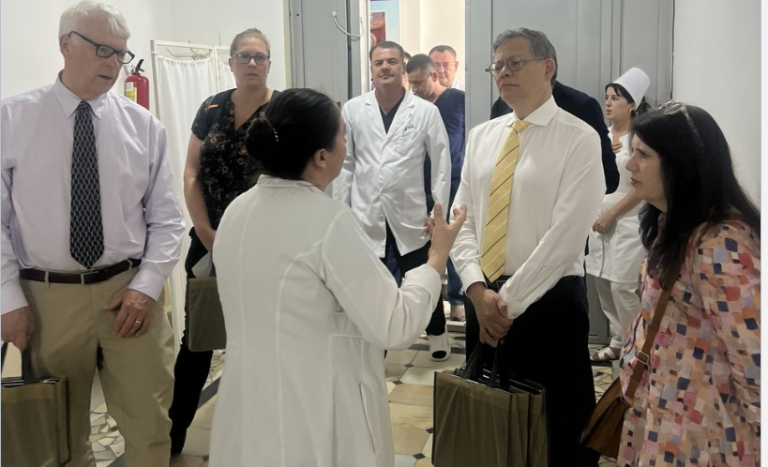
This photo captures me interviewing oncology healthcare providers at the Cancer Center in Uzbekistan. I am speaking with clinicians as part of my qualitative data collection for my thesis.
My project focuses on understanding the barriers to early detection and prevention of colon, cervical, and breast cancer in Uzbekistan. Interviewing frontline providers is a critical component of the qualitative phase of my research. Their lived experience helps me identify system-level gaps, patient challenges, and opportunities to improve cancer screening workflows.
Seeing the site again reminded me how much infrastructure shapes both patient experience and provider workload. Even small changes—clear signage, patient education posters, dedicated screening rooms—could significantly improve early detection efforts. It strengthened my belief that implementation science can truly transform patient outcomes in low-resource settings.
This photo was taken during my visit in Bukhara Cancer Center, where we had tour at the clinic, and saw workflow, infrastructure. There is only breast cancer screening available for optional choice. It is not integrated into the primary care system.
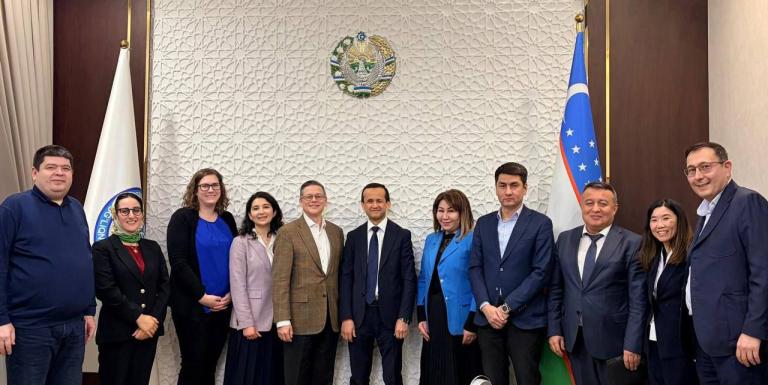
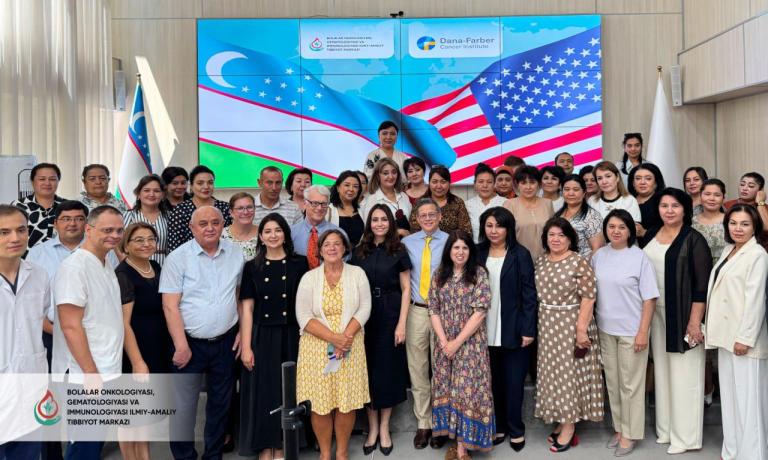
I am honored to see the official launch of the first structured colorectal cancer screening program in Uzbekistan by the Dana-Farber Cancer Institute, in partnership with the Ministry of Health of the Republic of Uzbekistan and the National Cancer Center.
In 2023, I initiated dialogue with Timothy Rebbeck. Dr. Rebbeck and the Dana-Farber Cancer Institute to explore partnership opportunities focused on early detection and prevention. I believed Central Asia - and particularly Uzbekistan - held meaningful potential for deeper engagement in global health collaboration, and I worked to facilitate coordination between Dana-Farber's expertise and Uzbekistan's health authorities.
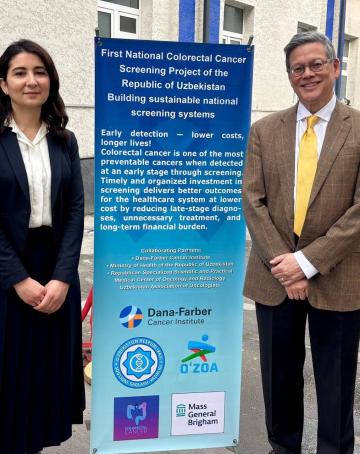
I am grateful to Timothy Rebbeck. Dr. Rebbeck and the Dana-Farber Cancer Institute and Ministry of Health of Republic of Uzbekistan, Dr. Hurshid Islamov, Republican Radiology and Oncology Scientific Clinical Center team for their openness to this collaboration and their commitment to long-term partnership. What began as exploratory conversations has evolved into a structured national screening initiative - a testament to shared vision, sustained dialogue, and dedication to prevention.
In September 2025, I had the honor of meeting Shavkat Mirziyoyev during his visit to New York, where Uzbek professionals from various fields discussed the importance of contributing to the country's development. It was encouraging to witness strong national commitment to advancing healthcare modernization and preventive strategies.
Uzbekistan continues to prioritize healthcare reform, with growing emphasis on prevention, early detection, and system strengthening. Structured screening programs represent long-term investments in population health and national resilience.
Colorectal cancer remains the 3rd most common cancer worldwide and the 2nd leading cause of cancer death. When detected early, survival exceeds 90%. Expanding early detection programs is essential to improving outcomes and reducing long-term burden.
I am proud to contribute to collaborative efforts aimed at strengthening healthcare systems and grateful to our partners for their shared vision.
This is an important step forward.