Beyond Medicine: Engagement with Drug-Resistant Tuberculosis Preventive Treatment Among Close Contacts in Kazakhstan
This study explores the factors influencing acceptance and completion of Drug-Resistant Tuberculosis Preventive Therapy (DR-TPT) in Almaty, Kazakhstan, a high-burden MDR/RR-TB setting (WHO, 2023; Dadu et al., 2024). Despite strong WHO endorsements and national adoption of a 6-month levofloxacin regimen (WHO, 2024; Matteelli et al., 2025), uptake remains suboptimal due to complex social and structural barriers. Using an exploratory descriptive qualitative approach guided by the Social Ecological Model (SEM), the research investigates individual, social, and systemic influences on DR-TPT decisions among eligible participants and healthcare providers (Migliori et al., 2024; Rekart et al., 2024; Palmer et al., 2024). The findings aim to inform person-centered strategies, enhance program design, and support global TB elimination efforts through improved DR-TPT delivery, with broader implications for Central Asia and similar high-burden contexts (WHO, 2024).
Photos and reflections on the thesis project
Students submitted photos and reflections as part of their thesis research. All the people in the photos gave permission for their photos to be taken and shared.
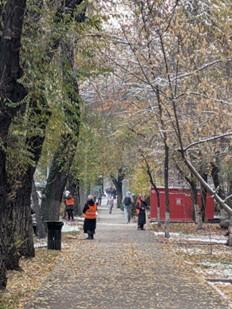
The image depicts a tree lined pedestrian walkway in Almaty during late autumn, with light snow covering the ground and fallen leaves scattered across the path. Several municipal cleaning workers wearing bright orange reflective vests are seen sweeping leaves and clearing the walkway. This scene closely reflects the occupational environment described by one Group 1A participant, who previously worked for Almaty Tazalyqy, the city’s public sanitation and street-cleaning service. She reported spending many years cleaning autumn leaves, sweeping roads, and clearing snow during winter months. According to her narrative, prolonged exposure to cold weather, dust, and seasonal respiratory irritants contributed to her chronic bronchitis, a condition she still manages today.
Now retired, she lives with and cares for her grandchildren, describing her current role as centered around family caregiving rather than physically demanding outdoor labor.
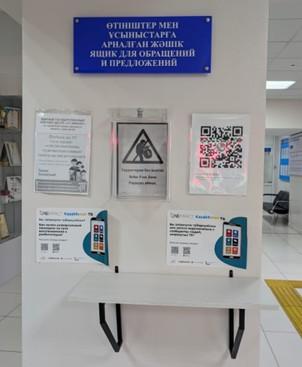
The photo shows an information wall inside a clinic in Almaty. At the top, a blue sign in Kazakh and Russian reads “Box for Requests and Suggestions.” Below it, several posters are displayed, including an emergency contact list, a “Bribe Free Zone” notice, a large QR code, and two posters promoting the OneImpact Kazakhstan TB application. A small white shelf is mounted beneath the posters, and the area appears to be a clean clinic hallway or waiting space.
The OneImpact Kazakhstan TB app is a digital tool created to support people affected by tuberculosis. It provides simple, reliable information about TB symptoms, treatment, and patient rights, and allows users to report issues they encounter in clinics or during therapy. The app also connects patients with community support and helps them find nearby TB services. By encouraging patients to scan the QR code and download the app, the clinic aims to improve communication, reduce stigma, and strengthen patient-centered care.
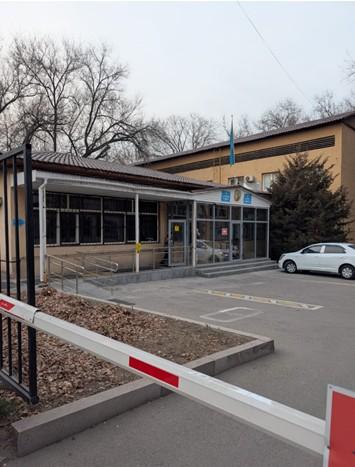
The entrance of a public health facility (polyclinic) providing tuberculosis prevention, diagnosis, and treatment services.
Focus Group Set-Up for Group 2A (Doctors)
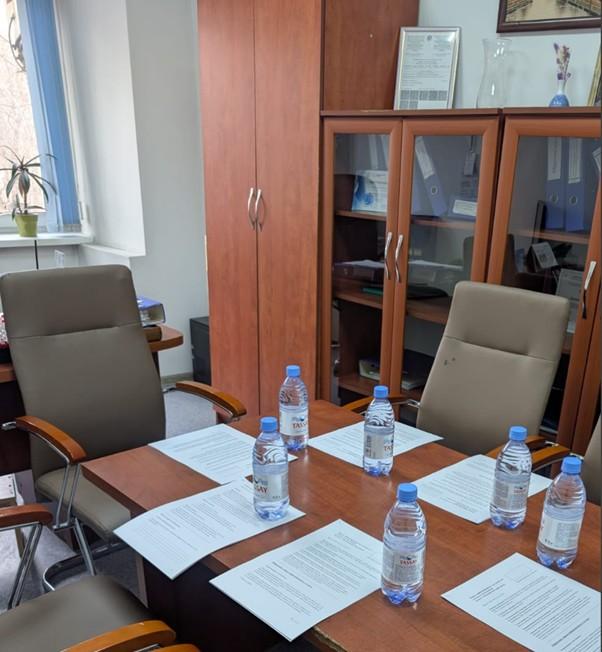
This photo shows the preparation for the focus group discussion with Group 2A (doctors). A small meeting room is arranged with six chairs around a wooden table. Each seat has a printed informed consent and a bottle of water placed in front of it. The room includes cabinets with medical folders and certificates, creating a formal clinical office environment.
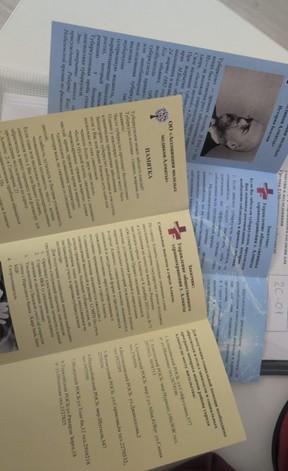
Public TB awareness booklets
Informational leaflets distributed in public spaces to raise awareness about tuberculosis, its symptoms, transmission, and available support services. These materials are designed to reach people in everyday settings, offering clear guidance, reassurance, and contact information for care, helping reduce stigma and encourage early diagnosis and treatment.
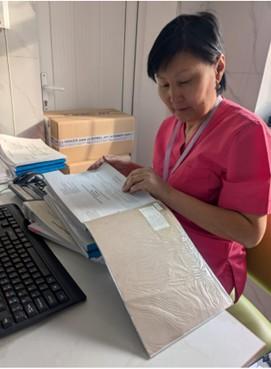
A healthcare worker reviewing patient files and treatment documentation, an often unseen part of TB care. Beyond clinics and medications, careful record keeping and follow up are essential to ensure continuity of care, treatment adherence, and patient support.
Health education spaces
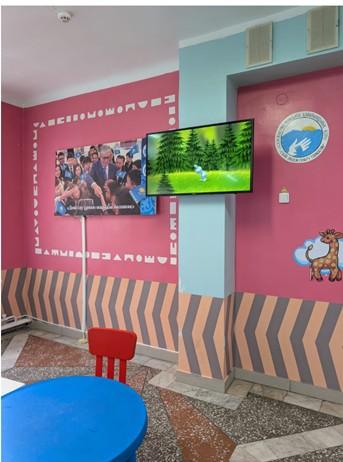
A child friendly waiting area within a public health facility, designed to make clinical spaces more welcoming. Such environments help reduce fear and anxiety, and reflect the importance of dignity, comfort, and trust in healthcare settings.
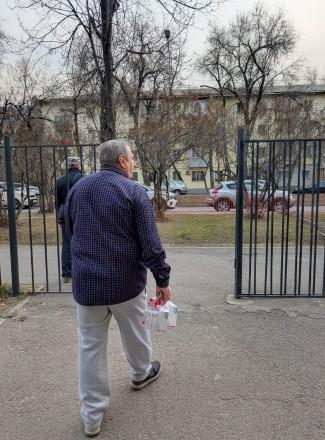
A patient leaving the health facility with prescribed TB related medications and supplies. This moment reflects how TB care extends into everyday life, relying on individuals’ commitment, access to treatment, and ongoing support beyond clinic walls.
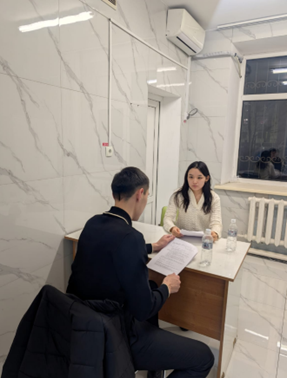
Listening to lived experiences, my research assistant conducting an in-depth interview. These conversations create space for participants to share their experiences, challenges, and perspectives, ensuring that research reflects real lives.
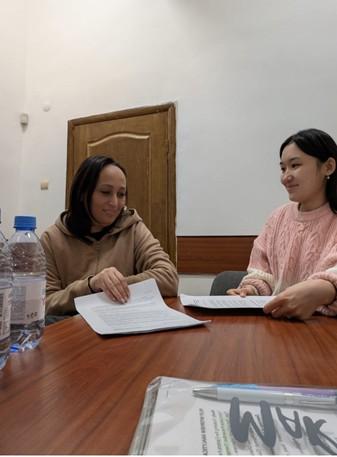
Building trust through conversation - A participant and research assistant laughing together during an in-depth interview. These moments of dialogue and mutual understanding are essential to ensure that participants feel informed, respected, and heard.