
Assessing Barriers and Compliance with Implementation of Antibiotic Stewardship Guidelines in Regional Hospitals in Southeastern Liberia: A Mixed-Methods Study
Antimicrobial resistance (AMR) continues to undermine global health efforts, especially in Southeastern Liberia, a low-resource setting, where antimicrobial stewardship practices remain suboptimal. The study investigated the barriers and adherence to antibiotic stewardship guidelines in three regional hospitals. Using a mixed methods approach, the research collected quantitative data from case report forms, and qualitative in-depth interviews and focus group discussions with healthcare providers. The goal is to understand structural, behavioral, and systematic challenges affecting compliance. Results will guide the development of targeted interventions to strengthen stewardship programs, promote responsible antibiotic use, and contribute to national and global AMR containment strategies.
Photos and reflections on the thesis project
Students submitted photos and reflections as part of their thesis research. All the people in the photos gave permission for their photos to be taken and shared.
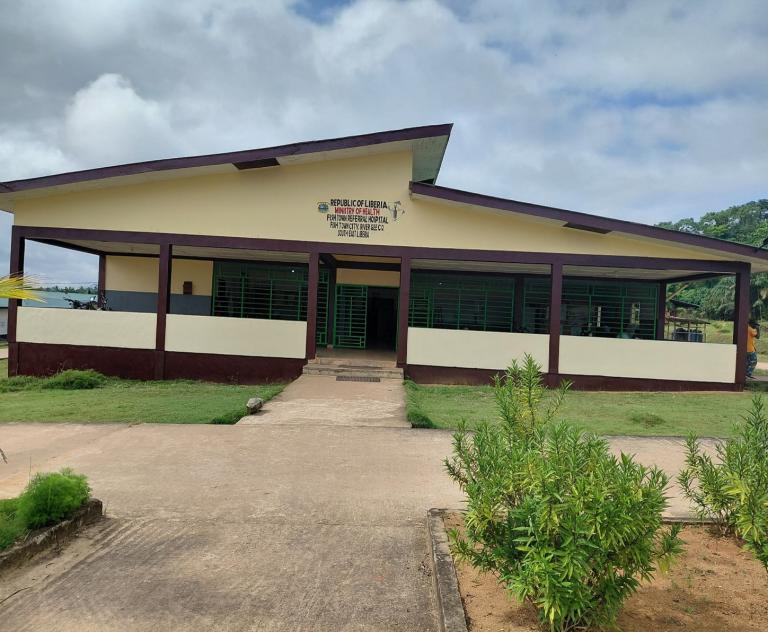
Fish Town Hospital (FTH) is a public healthcare facility with a 100-bed public hospital located in Fish Town, River Gee County, serving a catchment population of 6,488. The hospital has six catchment communities.
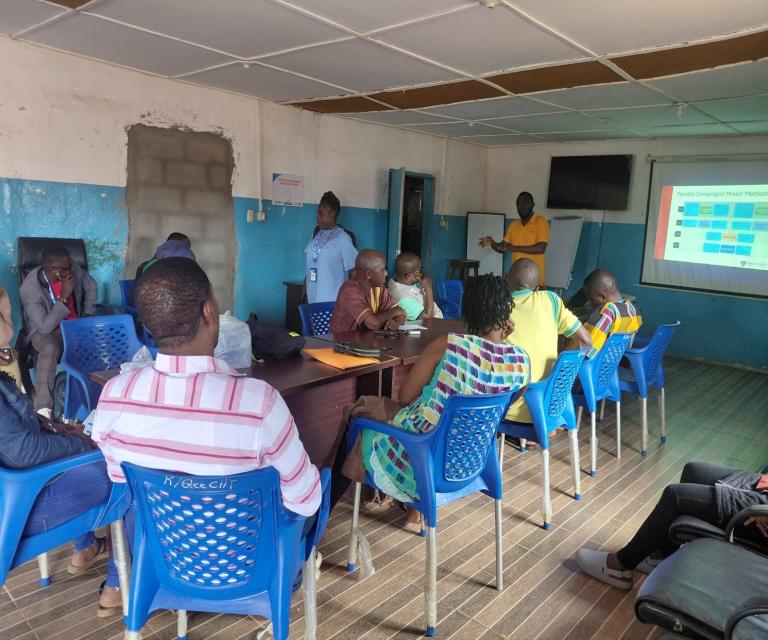
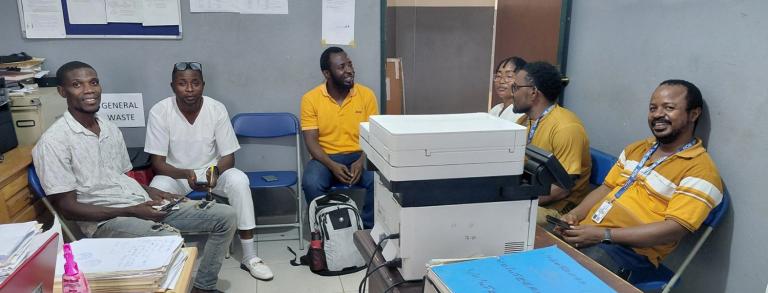
This picture captures exactly what this project is all about: real conversations and a shared commitment to community health with stakeholders of the River Gee County Health Team. The research team on the ton the ground, working with the incredible local health team, to ensure data permission is obtain for data collection by having stakeholders aware or acquainted with the student research, and the data collection is going great.
Thanks to a fantastic project inception meeting, everyone is on the same page, and the support here has been incredible. Seeing the research come to life, face-to-face with the people it will benefit, has been the most rewarding part.
This picture shows the student principal investigator in conversation with the Fish Town Hospital Medical Director, Officer In Charge, and Director of Nursing and Midwifery Services in the hospital administrator's office. The student principal investigator had a productive initial meeting with the hospital and key stakeholders. It was a crucial step to align everyone on the research project’s goals, objectives, methodology, and timeline. Their enthusiasm and willingness to collaborate were truly impressive, and they offered support and invaluable insights that strengthened the research and made it more relevant. The meeting was a success, and we have officially secured the necessary permissions to move forward with data collection at the hospital level. I am excited and confident as we proceed to the next phase.
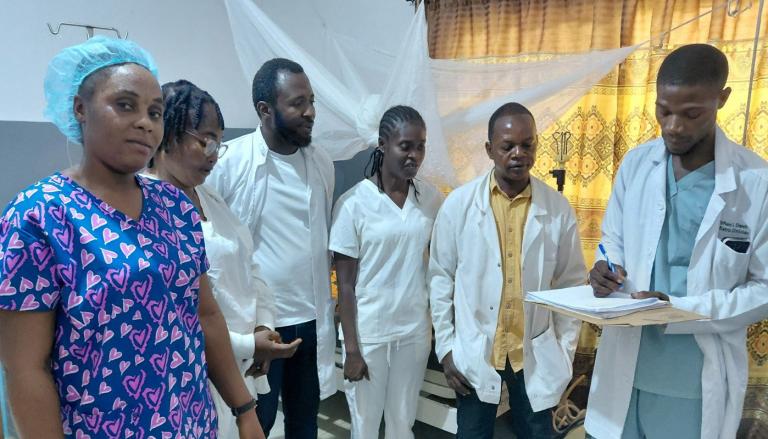
I have to tell you about something incredible that happened today. Even though my main focus is on data collection, I got the chance to join the hospital's Antimicrobial Stewardship (AMS) committee on a clinical round on the OB/Gynaecology Ward. It was one of the most eye-opening experiences of my research so far!
We reviewed the case of a patient with a surgical site infection (SSI) following a cesarean section. It was a perfect example of the committee's holistic approach. I watched as the lead midwife and a pediatric clinician meticulously assessed the wound, reviewed the prescribed broad-spectrum antibiotic (ceftriaxone), and then worked directly with the lab personnel to collect a proper wound swab for culture and sensitivity testing. The committee didn't just give advice; they immediately helped get the sample sent to the reference lab for a more accurate analysis.
Their recommendations went far beyond just drugs. They advised the attending physician to consider revising the treatment to a more targeted antibiotic once the lab results were back. But more impressively, they advocated for the patient's overall well-being. They recommended the wound be dressed twice a day instead of once and emphasized the importance of good nutrition and mobility to promote circulation and faster healing. It was truly a participatory, hands-on learning opportunity.
The entire exchange was so collaborative, and the patient and her attending physician were incredibly receptive to the advice. It was inspiring to see how the team focused on the patient's entire health, not just the infection itself.
This experience was a powerful reminder that AMS isn't just a protocol, it's about compassionate, comprehensive patient care. Observing the committee in action brought my research to life. It showed me that the work we do on paper translates directly into better outcomes for real people.
Before this, I understood the why of AMS from a theoretical standpoint by reducing resistance, saving money, etc. But seeing the committee's dedication to the patient, from the right prescription to nutritional support, made it so much more personal. It truly brought my project closer to the patient, and it reinforces that the heart of this work is advocating for people and ensuring they receive the best possible care. It was a beautiful and humbling thing to witness.
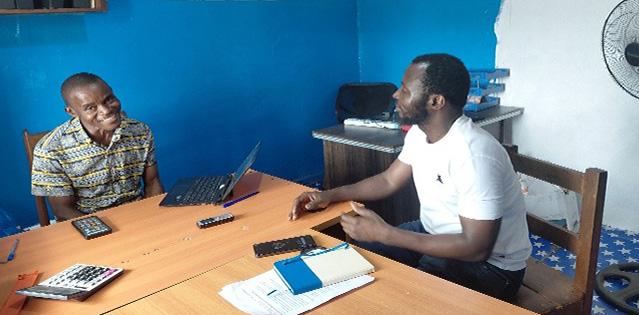
Today was all about smiles! I had a great conversation with the Laboratory Supervisor, Moses, who is affectionately known as "Smiling Moses." His perspective on antimicrobial stewardship (AMS) was both insightful and heartfelt.
He believes that a gentle, compassionate approach is key. He said that with long hospital stays and heavy burdens, patients and staff alike need kindness. Being gentle with patients and even smiling while advising prescribers on optimizing antibiotics can make all the difference, promoting better patient adherence and overall care.
Moses also highlighted the lab's crucial role and its ownership of AMS activities. He noted that they can only collect antimicrobial resistance (AMR) samples when the committee is actively identifying priority cases during their rounds. This is where the major hurdles come in. A lack of funding for gasoline to transport samples to the central reference lab, along with the absence of sample collection kits and a need for training for clinicians on proper sample collection, are serious barriers. Without these essentials, the full potential of the program is completely stalled.
This conversation was a powerful reminder that while the science behind AMS is complex, the human element, compassion, kindness, and logistical support, is what ultimately makes it work. It’s not just about what you do, but how you do it.
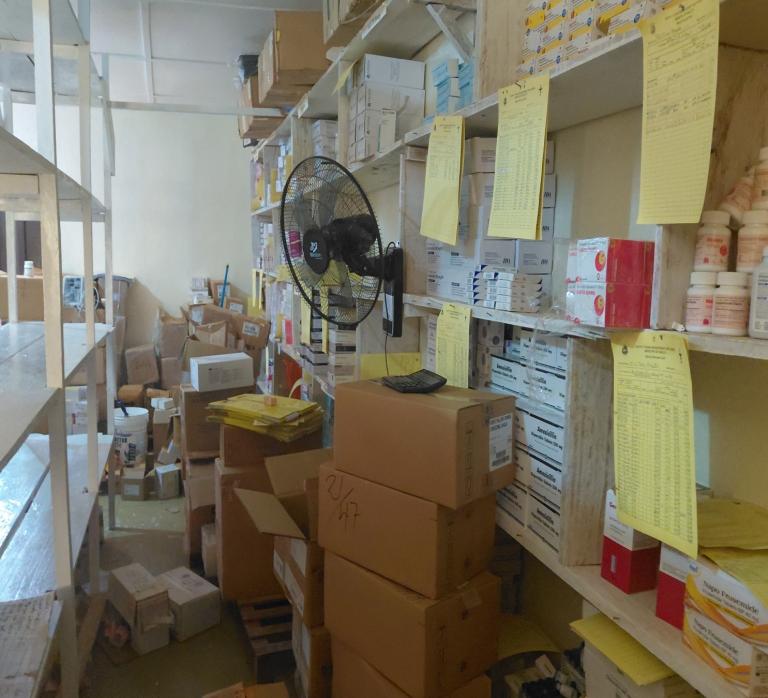
I spent some time in the hospital’s Central Pharmacy, and it was a real eye-opener. On one hand, the good news is that they have a consistent supply of essential antibiotics. It's clear that the drug revolving fund and PBF (Performance-Based Financing) are working to keep the supply chain moving. That’s a huge win for antimicrobial stewardship (AMS)!
However, the main challenge is on the logistics side. As you can see in the picture, even though there's a good stock of medicines, they're not stored properly. The pharmacy is undergoing a much-needed painting, but in the meantime, the antibiotics are sitting on the floor in cartons. There are shelves, but they're mostly empty or not being used effectively. This lack of proper storage is a major concern.
Concluding Thoughts: This part of my research has taught me a crucial lesson: supply doesn't equal accessibility or safety. It's not enough to just get the medicines to the hospital; they need a proper system for storage and management. The lack of adequate storage space could compromise the integrity of the antibiotics and hinder pharmacists from finding and dispensing them efficiently. This goes to show that for an AMS program to be successful, you have to look at the entire system, from procurement and financing to the most basic logistical details like having enough shelf space. It’s all connected!
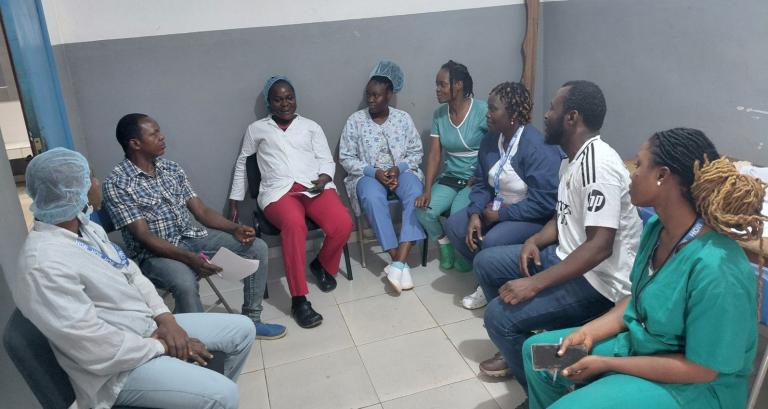
Today, I had an incredibly insightful focus group discussion with healthcare workers who aren't on the AMS (Antimicrobial Stewardship) Steering Committee at Fish Town Hospital. It was fascinating to hear their perspectives and assess their understanding of AMS implementation.
They confirmed that the committee is indeed functioning and includes dedicated healthcare providers, primarily focusing on sample collection during ward rounds. However, a major bottleneck quickly became apparent: logistics. Several mentioned the heartbreaking reality of collected samples expiring in the lab because there's no consistent transport to the reference lab. While hospital management tries its best to fuel the motorbike for transport, it's not consistent, and there's no assigned rider.
The discussion also highlighted other critical challenges: staff attrition, lack of training for new staff, and no logistical support for motorbike maintenance. These issues are severely hampering the committee's effectiveness, leading to less frequent and impactful clinical ward rounds and meetings. There was also a palpable sense of demotivation among committee members, some even mentioning the absence of basic incentives like snacks or lunch during their activities.
This focus group discussion really solidified a crucial realization for me: effective AMS implementation isn't just about knowledge; it's profoundly dependent on consistent financial and logistical support. It also requires unwavering member commitment and the proper onboarding and training of all staff, not just a select few. Without these foundational elements, from consistent transport for samples to even small gestures like providing refreshments for committee meetings, even the most dedicated efforts can falter. It underscores that we need to think beyond just protocols and consider the real-world operational and human factors that make or break these vital programs.
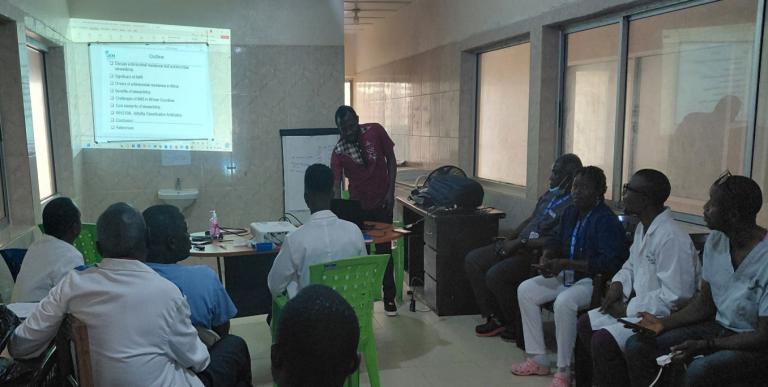
I just finished giving a presentation at the hospital's grand clinical conference, and it was a great experience. As part of my research, I had the opportunity to talk about the global perspective on Antimicrobial Resistance (AMR) and Antimicrobial Stewardship (AMS). It’s a huge topic, and due to high staff turnover and promotions here, many healthcare workers lack updated knowledge on the subject.
The audience was a mix of physicians, physician assistants, nurses, midwives, IPC/ Surveillance Officer pharmacists, and lab personnel. everyone who plays a key role in the patient care continuum. My goal was to raise their awareness of the global threat of AMR and highlight the crucial role that a strong AMS program can play. The Q&A session at the end was particularly engaging, with lots of insightful questions about how to make AMS implementation practical and sustainable in their day-to-day work.
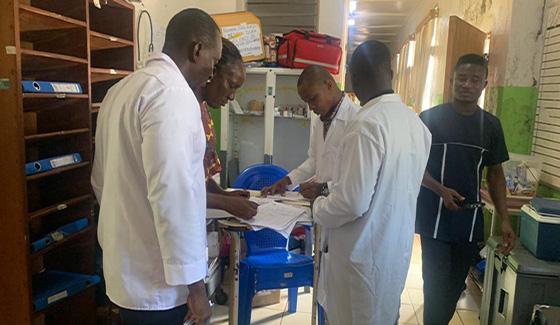
This picture captures the JJ Dosen Hospital Antimicrobial Stewardship (AMS) Team members participating in an AMS ward round. Although the primary objective was to gather both quantitative and qualitative data, I actively joined the committee during their ward round in the OB/GYN Ward.
During the round, the committee reviewed three cases of surgical site infections. I took the opportunity to observe and evaluate how stewardship practices are maintained in the absence of donor support. It was inspiring to witness the team’s continued enthusiasm, energy, and unwavering commitment to patient care, despite the challenges posed by limited resources and the attrition of key staff members.
As a student researcher, my focus was to assess whether AMS activities were still being implemented under these constraints. I was encouraged to see that the team remained dedicated to core stewardship principles, advocating for the timely collection of patient specimens, adherence to appropriate medication administration schedules, and ensuring nutritional support for patients.
Interestingly, I served as the cameraman during the ward round, which is why I’m not visible in the picture. Nonetheless, the experience was deeply rewarding and offered valuable insights into the resilience and dedication of healthcare professionals working under challenging conditions.
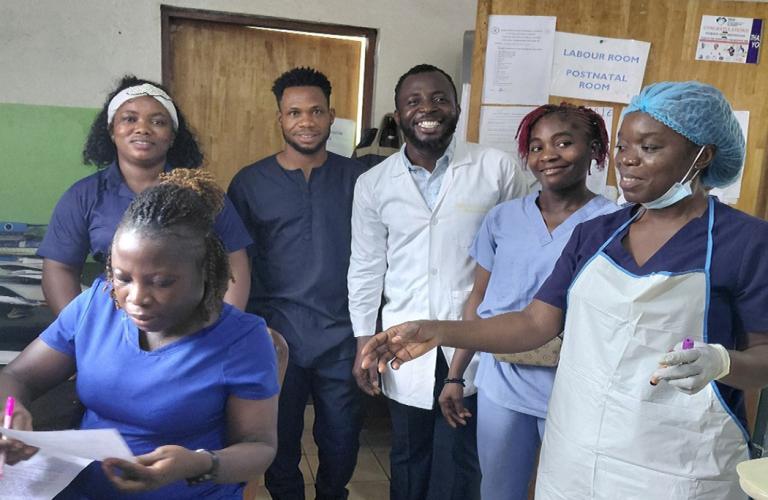
This photo captures a student researcher engaging with staff members of the OB/GYN ward. Despite the demanding workload and limited resources, the staff demonstrated a strong willingness to participate in the research exit meeting. During the session, the research team expressed their heartfelt gratitude to the ward supervisor and all staff for their valuable contributions to the study. Their smiles and enthusiasm reflected their genuine commitment to advancing healthcare through research. The attending health workers voiced their hope that the study’s findings would be shared with the hospital and used to improve antibiotic prescribing practices. They emphasized the importance of utilizing bacteriological data to enhance clinical decision-making and strengthen the hospital’s overall health system.
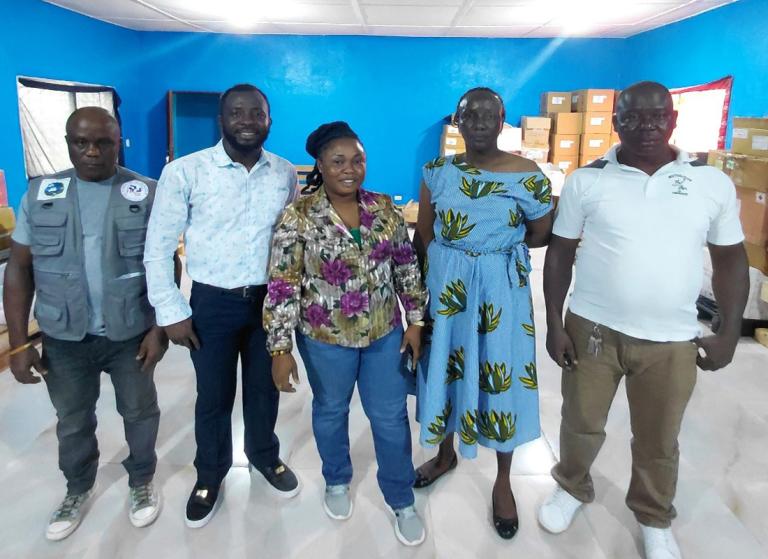
This picture shows the student researcher visiting the County Drug Depot to assess the availability of essential antibiotics. The visit also served as an opportunity to hold a debriefing session with a team of pharmacists and support staff involved in the research.
Both the county pharmacist and the hospital pharmacist expressed their excitement about participating in the study. They thanked the student researcher for including the hospital in the research and emphasized how the findings would contribute to strengthening the health system, particularly through evidence-based prescribing and the judicious use of antibiotics.
The engagement highlighted the importance of collaboration between research teams and healthcare professionals in addressing resource gaps and improving clinical outcomes.
--
It was a truly enriching experience to engage with the dedicated healthcare professionals at JJ Dossen hospital, listening to their insights, sharing knowledge, and learning from their experiences in implementing Antimicrobial Stewardship. What stood out most was their remarkable willingness to participate in both individual interviews and focus group discussions, all in support of answering the research questions.
The research process was greatly supported by the County Health Team (CHT) and hospital leadership, whose encouragement and cooperation made the entire experience smoother and more impactful. Their openness and commitment significantly eased the time spent at the facility. I now look forward with anticipation to analyzing how both the quantitative and qualitative data will contribute to addressing the core research questions and, ultimately, to improving healthcare practices
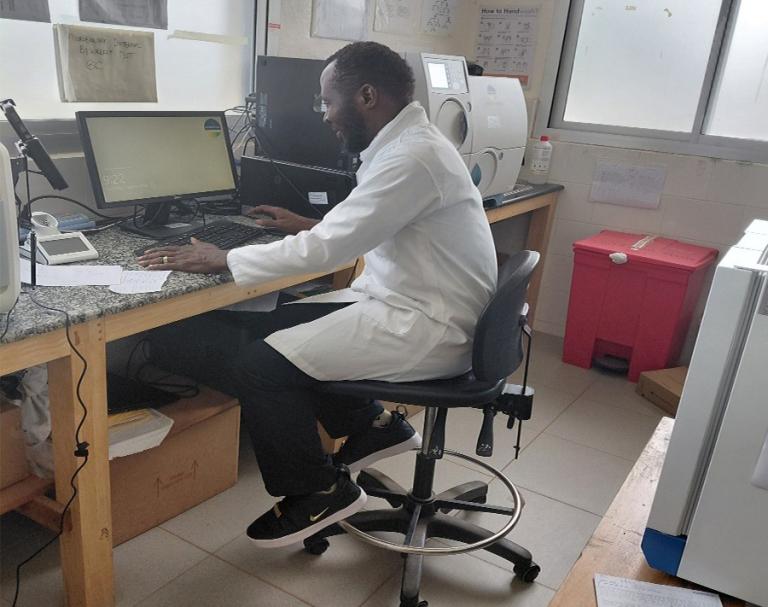
This photo shows a student researcher working in the JJ Dossen Microbiology lab, abstracting antimicrobial resistance (AMR) data. These abstractions are essential because they help support and confirm targeted therapy for bacterial pathogens that have been isolated.
Being back in the lab was a rewarding experience. I spent most of my time engaging with the microbiologist and the lab team to ensure that clinical samples were processed correctly and that results from RTH and FTH were sent back to the lab. This cycle of data collection and feedback is vital for improving patient care.
The photo captures the very heart of my research project, collecting and analyzing AMR data to guide treatment decisions, thus improving stewardship practice. It represents the practical side of research, translating lab findings into actionable insights that directly impact patient outcomes.
One thing I’ve realized during this project is how crucial collaboration is. Working closely with the lab team has shown me that data alone isn’t enough; it’s the teamwork between researchers and clinicians that ensures patients receive the right therapy. Honestly, it feels like we are all part of one big relay race, passing the baton to make sure care improves at the finish line.
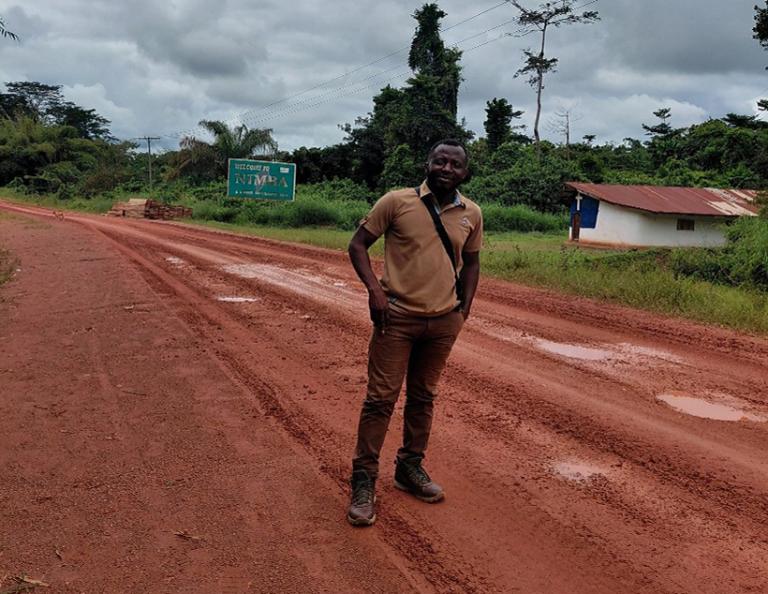
Greetings en route to Monrovia!
I’ve just returned after four months in the field, where I spent long days gathering data and listening to voices from three remote hospitals. The journey reminded me that quality care should not be reserved for urban centers alone. In places where roads are rough and resources are scarce, the dedication of nurses and doctors shines even brighter.
This connects closely to my antibiotic stewardship research: stewardship must reach beyond city hospitals to rural facilities, where the challenges are different but just as urgent. One lesson I carry home is that research isn’t only about numbers, it’s about listening, understanding, and turning those stories into advocacy for better care everywhere.
Sending warm thoughts from the field and hoping to see how both datasets can complement each other.