
Understanding the Multi-Sectoral Approach in Responding to Gender-Based Violence in Neno District, Malawi
Globally, approximately one in three women (35%) has experienced physical and/or sexual violence in their lifetime, most often by an intimate partner. Gender-based violence (GBV) remains a major global public health and human rights concern requiring coordinated responses across sectors. This study examined multisectoral collaboration in responding to GBV in Neno District, Malawi.
A convergent mixed method study was conducted. Quantitative phase, data was extracted from GBV registers across 14 health facilities between March 2019 to November 2024.Qualitative phase, primary data was collected through focus group discussions with health care workers and in-depth interviews with providers from social welfare, police, court, survivors and parents/guardians of survivors who were minors. Quantitative data were analyzed using descriptive statistics and chi-square tests, while qualitative data were analyzed using inductive content analysis approach. The findings were then integrated using a joint display.
A total of 813 cases of gender-based violence were recorded between March 2019 and November 2024. Referrals to police and social welfare were high, with (98.52%, n=(801) referred to police and (98.27%, n=797) to social welfare. Among survivors of sexual abuse(n=595), the chi-square test showed a significant association between marital status and with presentation within 72 hours. Married survivors were less likely to present within 72 hours (8.6%, n=12) compared to those not married(33.1%, n=145)(p<0.001). Training on how to make referrals, communication and provider-survivor dynamics that promote comfort and trust facilitated referrals, while inter-family dynamics and corruption limited timely access.
Effective collaboration contributes to high referrals across sectors in GBV response systems; however, timely access to care remains a challenge. Strengthening coordination and training, alongside addressing social and systemic barriers, is essential to improve access to timely and comprehensive services.
Photos and reflections on the thesis project
Students submitted photos and reflections as part of their thesis research. All the people in the photos gave permission for their photos to be taken and shared.
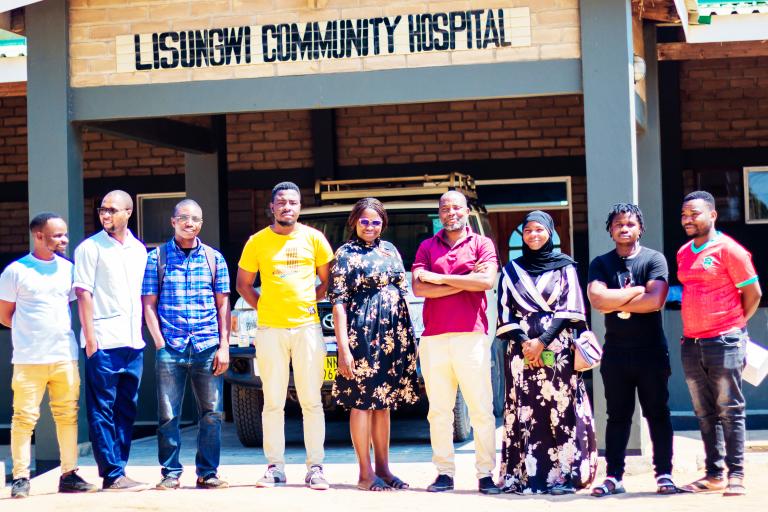
The photograph was taken in front of Lisungwi Community Hospital, one of the key referral facilities in Neno District, Malawi. It features the group of healthcare providers who actively participated in a focus group discussion in my study. The hospital plays an important role in the district’s health care delivery system, serving a catchment population of about 12,000 people. It provides critical services that support surrounding health centers and communities, making it an important hub for multisectoral collaboration in healthcare delivery, including the response to gender-based violence.

This is a photo of my research assistant riding through Neno hills to reach participants at Lisungwi Community Hospital and surrounding communities. It reminds me how much effort goes into gathering voices from hard-to-reach areas. I have learnt that beyond the data, fieldwork demands persistence and adaptability.
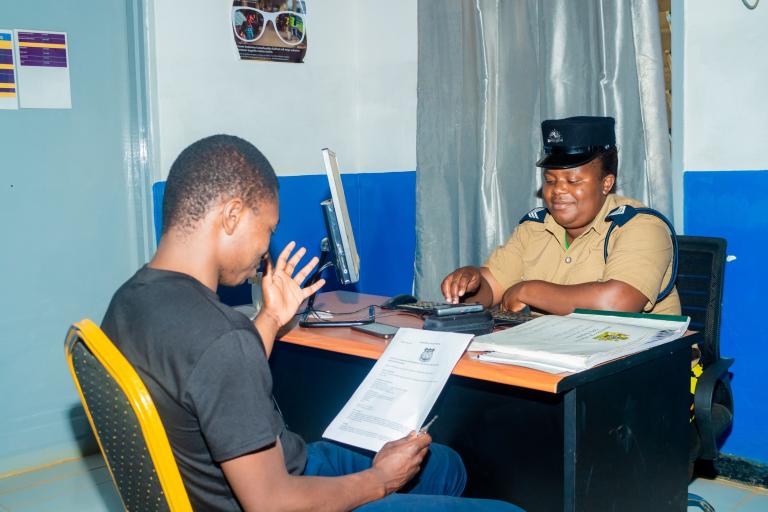
This photo shows my research assistant conducting an individual interview with a police officer at Neno district police station. They are a key sector in the GBV referral pathway and their insight will inform more on how multisectoral collaboration works in the district. I have learnt that these filed interviews highlight the practical challenges as well as the actual human experiences that goes beyond reviewing GBV registers only.
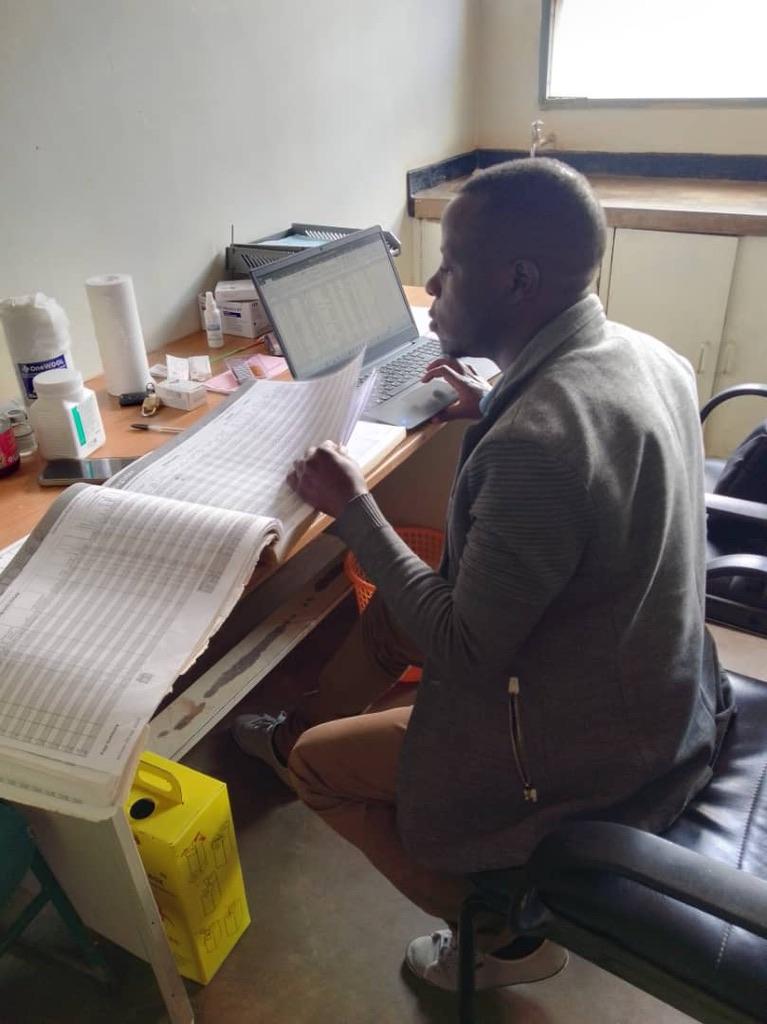
This is a photo of my quantitative research assistant extracting GBV data from the registers at Neno District Hospital. It shares the quantitative part of my thesis, learning the referral patterns across sectors.